
Introduction
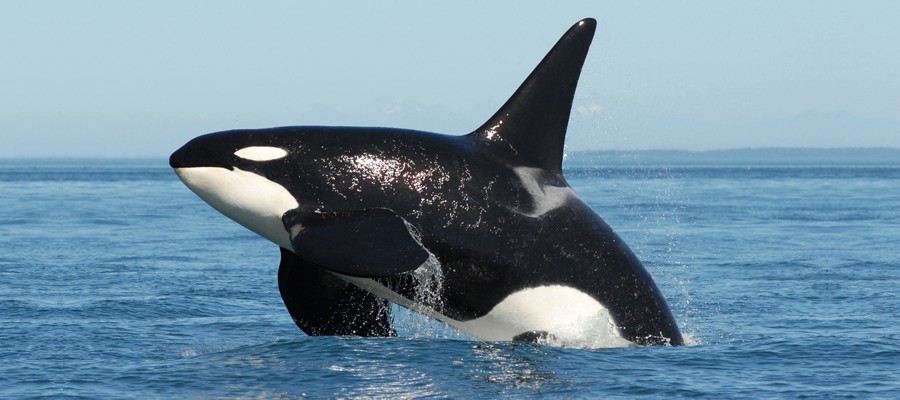
Imagine yourself paddling through serene coastal waters, the horizon shimmering with sunlight, when suddenly a massive whale breaches nearby. For beginners, sea kayaking offers an unparalleled opportunity to witness whales in their natural habitat. The quiet, eco-friendly approach of kayaking allows you to experience these majestic creatures up close without disturbing their environment. Whether you’re new to paddling or seeking a unique adventure, North America offers incredible destinations to begin your whale-watching journey.
In this article, we’ll explore beginner-friendly sea kayaking spots in North America, tips for success, and how to respect the marine giants during your adventure. Let’s dive in!
Why Sea Kayaking is Perfect for Whale Watching
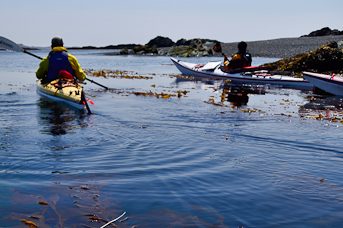
Sea kayaking brings you closer to nature. Unlike motorized boats, kayaks are quiet and non-intrusive, allowing paddlers to experience intimate encounters with whales. The slower pace and proximity to the water make the experience more immersive and personal. Plus, sea kayaking promotes eco-friendly exploration, aligning with efforts to preserve marine ecosystems.
Top Beginner-Friendly Sea Kayaking Destinations for Whale Watching
Gulf Islands, BC Renowned for its calm waters and abundant wildlife, the Gulf Islands, just off Vancouver Island are a top choice for beginner kayakers. Orcas are frequently sighted here, particularly between May and September. Guided tours provide safe, educational experiences while ensuring beginners can paddle with confidence.
Johnstone Strait (Canada) Located off Vancouver Island, British Columbia, Johnstone Strait is a world-renowned destination for orca encounters. With gentle paddling conditions and breathtaking coastal scenery, this area is ideal for first-time kayakers. Wildlife tour operators offer beginner-friendly options to explore these orca-rich waters safely.
Monterey Bay (USA) Monterey Bay in California offers incredible opportunities to see humpback and gray whales. The protected marine sanctuary ensures calm conditions, making it suitable for novice paddlers. Kayak rentals and guided tours cater to beginners, enhancing the experience with local expertise.
Cape Breton Island (Canada) With its stunning coastlines and opportunities to see minke and fin whales, Cape Breton Island in Nova Scotia is a hidden gem. The calm waters and scenic beauty create the perfect environment for beginners to enjoy whale watching by kayak.
Best Times to Kayak for Whale Watching
Seasonal whale migrations play a significant role in planning your kayaking adventure. In North America, summer months (May to September) typically offer the best chances for whale sightings. Orcas are most active in areas like the San Juan Islands and Johnstone Strait during these months. Morning and late afternoon paddles often provide calm waters and optimal whale activity.
Tips for Beginners on Whale Watching While Kayaking
Gear Essentials: Choose a stable kayak and always wear a personal flotation device (PFD). Consider bringing binoculars and a waterproof camera to capture the magic.
Guided Tours: Beginners benefit greatly from guided tours, as professionals ensure safety and share valuable insights about whale behavior.
Safety Practices: Keep a safe distance from whales to avoid disturbing them. Follow local regulations and guidelines to ensure a respectful experience.
Learning the Basics: Practice paddling in calm waters before venturing out. Familiarize yourself with basic kayaking techniques and safety protocols.
What to Expect While Kayaking with Whales
Paddling alongside whales is a breathtaking experience. You may witness behaviors like breaching, spy-hopping, or tail-slapping. Alongside whales, you’re likely to encounter other marine wildlife, such as seals, dolphins, and seabirds, adding to the adventure.
Stories from First-Time Whale-Watching Kayakers
Talking to kayakers around Vancouver Island, a first-time kayaker in the Gulf Islands shared, “I’ll never forget the moment an orca surfaced just a few meters away. It was exhilarating and humbling all at once.” Another beginner kayaker in Johnstone Strait described to me seeing a pod of orcas swimming in unison: “It felt like they were performing just for us.” These encounters highlight the awe and joy that come with whale watching by kayak.
How to Respect Whales and Their Habitat
Ethical whale watching ensures the safety of both paddlers and marine life. Avoid sudden movements or loud noises, keep a safe distance, and follow the guidelines provided by local tour operators. Supporting eco-tourism and conservation initiatives helps protect these magnificent creatures for future generations.
Conclusion
Sea kayaking offers beginners an incredible way to witness whales in their natural habitat. From the orca-filled waters of Johnstone Strait to the tranquil beauty of Cape Breton Island, North America provides endless opportunities for adventure. With the right preparation and a spirit of respect, your first whale-watching kayak trip is sure to be unforgettable. It is always helpful to go with guides that are experts in finding and viewing wilderness wildlife. Sea to Sky Expeditions can help with that. Ready to paddle out and experience the magic? Share your first encounter with whales in the comments below!